AI-Powered · Port Sustainability · Live on Telegram

Smart Waste
Intelligence
for Ports

BluePort AI uses computer vision to identify and classify waste in port environments, supporting operational sustainability and compliance reporting in real time.

👁 Visual Recognition ✈ Telegram Bot 📄 Compliance Reports
6
Waste Categories
AI
Computer Vision
24/7
Available on Telegram
Plastic · 94% confidence
BluePort AI mascot
♻️ Recyclable
Sample output, illustrative
About the Project

AI-Powered Waste Intelligence Built for Port Operations

BluePort AI is an intelligent assistant designed specifically for the port sector. It combines computer vision with a conversational Telegram interface to make waste identification accessible to every worker on the dock, with no technical expertise required.

Python 3 Computer Vision Telegram Bot API CLIP (ViT-B/32) Zero-shot + linear probe Port Sustainability Compliance Reporting
Sustainable port of the future
Project Status
Active Development · Bot Live

Instant Classification

Send a photo via Telegram and receive waste type, confidence score, and disposal guidance in seconds.

🌿

Sustainability Workflows

Integrates into port operational flows to support waste segregation, recycling targets, and environmental KPIs.

🛡

Compliance Reporting

Generates structured logs of all classifications to support environmental audits and regulatory compliance.

📊

Data-Driven Insights

Track waste composition trends over time with statistics on total images processed and average confidence.

How to Use

Classify Waste in 3 Simple Steps

BluePort AI runs entirely inside Telegram. Any port worker can use it instantly, with no training, no installation and no login required.

STEP 01

Open BluePort on Telegram

Search for @blueport_ia_wastebot on Telegram and tap Start. No registration, no app download, just open and go.

Works on any smartphone with Telegram installed.
STEP 02

Send a Photo of the Waste

Take a picture of any waste material found on the dock, vessel, or port facility and send it directly in the chat.

The AI analyses the image automatically, no commands needed.
STEP 03

Get Instant Classification

BluePort AI replies in seconds with the waste category, confidence score, and disposal guidance, ready for compliance reporting.

Use /stats or /count to view your session history.
Available Commands

Ready to try it?

Open Telegram and search for the bot below

@blueport_ia_wastebot
/start
Welcome & instructions
📸 Photo
Classify waste image
/stats
Avg confidence & totals
/count
Images processed

Real interaction with @blueport_ia_wastebot

Classification Model

Six Waste Categories Identified by AI

BluePort AI classifies waste into six primary categories aligned with standard port environmental management frameworks. Each category carries specific disposal and recycling guidance.

Training dataset in active development
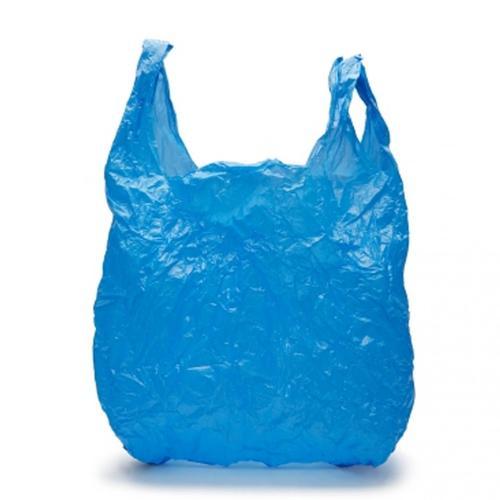
🧴Recyclable

Plastic

Bottles, packaging, containers, synthetic fibres. High recyclability with proper sorting.

PET bottlesHDPE containersPolystyreneFilm wrap
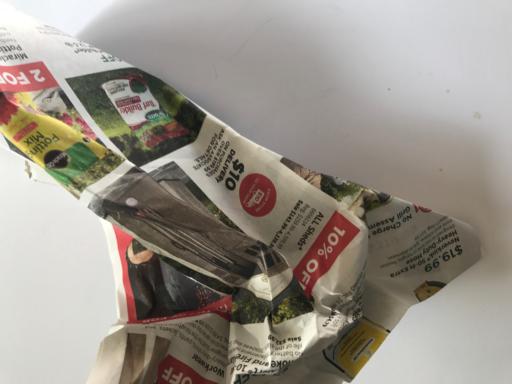
📦Recyclable

Paper

Cardboard boxes, documents, packaging materials. Widely recyclable in port logistics.

CardboardKraft paperDocumentsPackaging
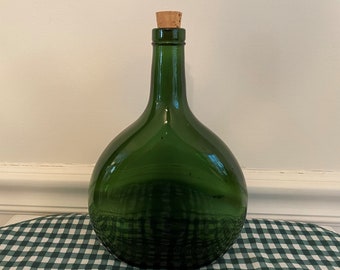
🍶Recyclable

Glass

Bottles, jars, containers. Requires separate collection to avoid contamination.

Glass bottlesJarsBroken glassContainers
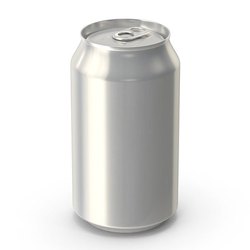
🔩Recyclable

Metal

Scrap metal, cans, cables, structural components. High-value recyclable material.

Steel scrapAluminium cansCablesFittings
💻Special Handling

Electronic

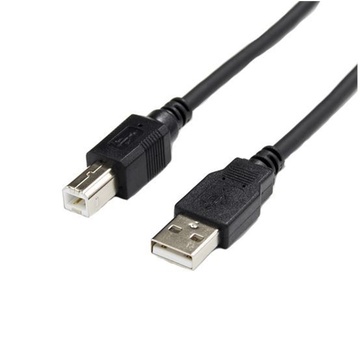
Circuit boards, batteries, cables. Requires specialised e-waste handling protocols.

Circuit boardsBatteriesCablesSensors
🌿Recyclable

Organic

Food waste, biological materials. Compostable or requiring bio-waste treatment.

Food scrapsVegetationBiological wasteWood
Training Data

Image Dataset In Active Development

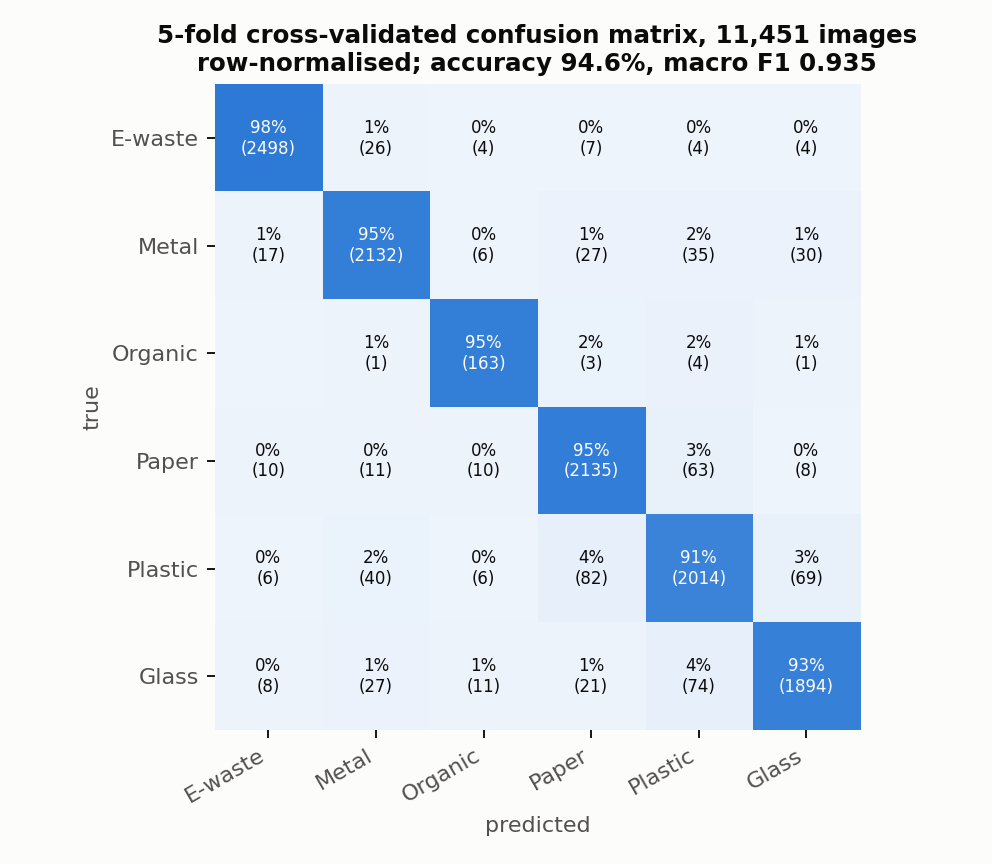
The current model runs on OpenAI CLIP (ViT-B/32) with a lightweight linear probe trained on around 11,400 public waste images (TACO and TrashNet) across six categories, with CLIP zero-shot inference as a fallback. A dedicated dataset of waste images from port and industrial environments is now being curated to fine-tune and formally evaluate the model in the next phase.

Images are organised into six category folders — plastic, paper, glass, metal, electronic, and organic — enabling supervised learning for accurate multi-class classification. A working sample is hosted on Google Drive; a versioned release with a licence and DOI is planned once the port-specific dataset reaches a minimum volume.

📁 View Dataset on Google Drive (work in progress)
6
Categories
Waste types labelled
~11.4k
Images
Public (TACO + TrashNet)
Folders
Format
Organised by category
Drive
Storage
Accessible & collaborative
Dataset Structure
dataset/
├─ plastico/
├─ papel/
├─ vidro/
├─ metal/
├─ eletronico/
└─ organico/